Real estate branding for New York.

Give your property a name, a point of view and a consistent identity, from the first presentation to the next launch.

Positioning · Naming · Identity · Launch materials

For developers, buildings and brokerages.
Serving New York from our Chicago base.

YPERIA PropertiesIdentity by TERAMOK
YPERIA Properties · GreeceA motion study of the finished identity.
YPERIA PropertiesMIA DevelopmentsMagna Graecia

Brands we have put to work.

Real clients. Named projects. A clear view of what we made and where the work belongs.

YPERIA Properties residence interior photographed by TERAMOK

Glyfada, Greece · Client since 2022

A developer identity with a life beyond the logo.

TERAMOK created the name treatment, logo and visual system, then carried that identity into two generations of websites and ongoing photo and film production.

Identity · Websites · Brochures · Content

800brochure downloads reported to date2 websites in 2 years
Explore the YPERIA case
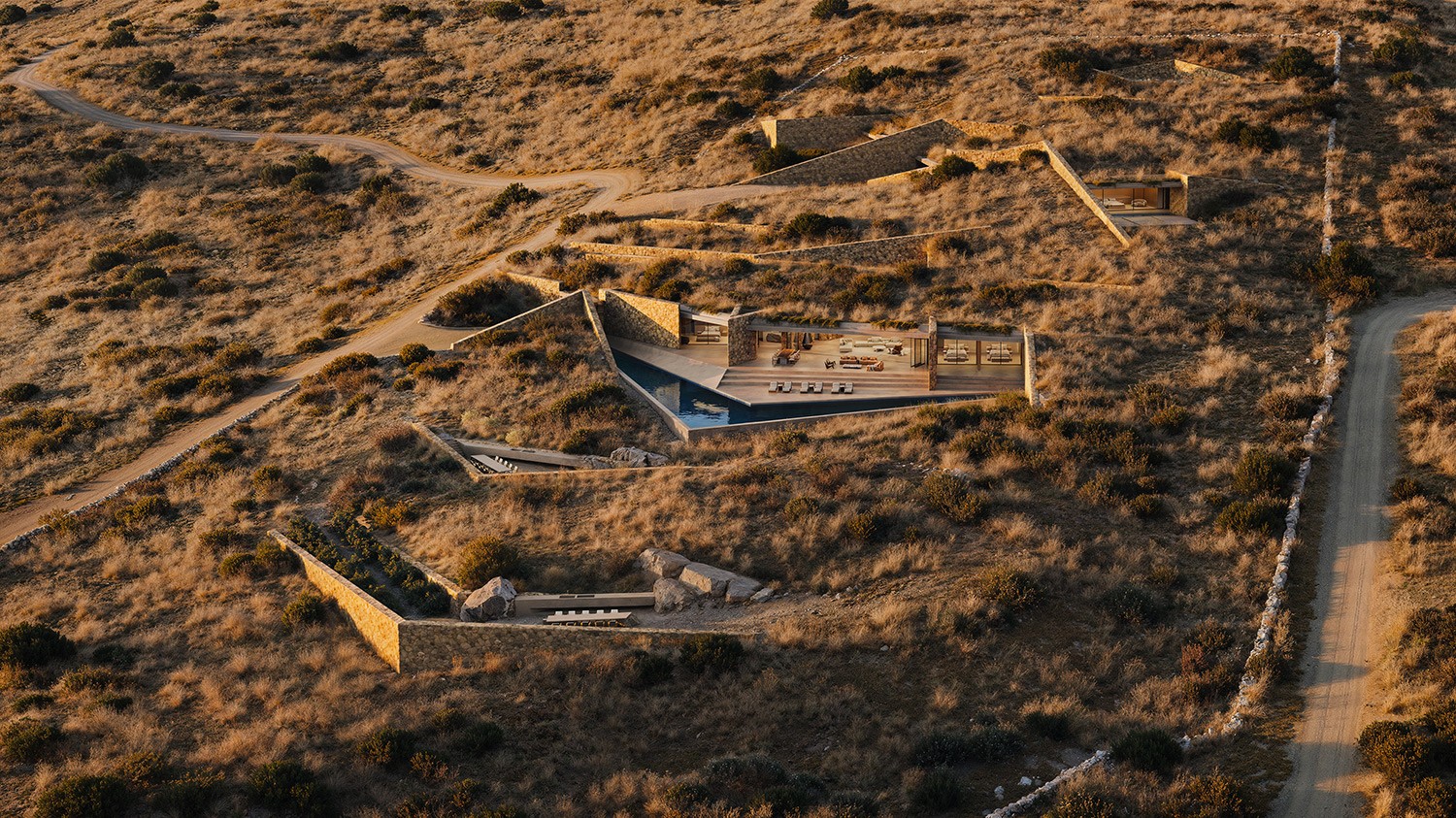
MIA Developments residence terrace and pool, filmed by TERAMOK

MIA Developments · Athens Riviera, Greece

Make the developer recognizable across launches.

Developer positioning connects architectural storytelling, project films, launch content and campaigns. Each project belongs to a recognizable company story.

Positioning · Film · Social · Launch content

2.1Mvideo views reported in year oneAcross the wider marketing engagement
Read the case study
Magna Graecia site and coastline photographed by TERAMOK

Magna Graecia · Greek islands

Establish the visual world before launch.

Brand direction, tone and content pillars give the launch a consistent foundation. Cinematic film and social content put that direction into use.

Visual direction · Launch content · Film · Social

Read the case study

These are Greece engagements, not New York client results. Scope and historical figures are reported in TERAMOK’s linked case studies. Downloads and views are not sales or proof of branding alone; figures cover the wider engagements. Ask which parts of the work are comparable to your brief.

The client’s perspective.

Brand work is a close collaboration. Read what clients say about the strategy, aesthetics and working relationship.

“I was impressed by their aesthetic and knowledge of the architecture and real estate development sector.”
CEO, FA Architecture and Partners
Rebranding and social media · July 23, 2025
4.5 / 5 for this engagement
Read on Clutch ↗
“They helped us build our brand identity from the ground up”
G. K.
Brand identity and content client · July 22, 2026
5 / 5 individual review
Read on Trustpilot ↗
“they've become a trusted part of our team”
Anastasios
Brand presence and social media client
5 / 5 individual review
Read on Trustpilot ↗

Selected excerpts. Scores shown belong to the individual reviews, not the platforms’ overall ratings. Sources checked October 27, 2026. Read the full reviews for context.

What are you building a brand for?

Let every project build the company brand.

When projects look unrelated, buyers and partners have to learn who you are again. Define the company promise and how each building fits beneath it.

  • Company position, story and visual identity
  • Relationship between company and project brands
  • Track-record and investor presentation language
  • A system for websites, film and future launches

A practical example

A developer with several launches

Hypothetical brief: keep the company recognizable across a Manhattan condo and a Brooklyn rental, while allowing each property its own name and character. The parent identity carries the track record; each project explains its offer.

A usable system, not just a logo.

Commission the work your team needs to make decisions and use the brand consistently. Every application should have a purpose.

Positioning

The audience, alternatives and reasons to choose you. A usable statement that guides the identity and messaging.

Naming

A considered shortlist, selection criteria and preliminary screening, with legal clearance handled by your counsel.

Identity

A coordinated visual language: logo, typography, color and art direction, tested on the applications that matter.

Rollout

The agreed website, brochure, signage, sales and campaign applications, with responsibilities and costs defined in the scope.

How to choose a real estate branding agency.

Ask each shortlisted team to respond to the same brief. Compare the decisions they help you make and the work you will actually receive.

TERAMOK provides these services. This is our selection framework, not an independent ranking.

  • Inspect relevant work.

    Look beyond a logo gallery. Ask who created the strategy, identity and applications, and what the agency’s actual role was.

  • Meet the people doing it.

    Clarify the strategist, designer, decision owner and any production partners. Agree how feedback becomes an approved direction.

  • Compare the complete scope.

    Separate identity, naming, website, production and launch costs. Ask which revisions, formats and applications are included.

  • Plan for handover.

    Confirm source files, licensing, guidelines and rollout responsibilities. Your internal team and partners need to be able to use the work.

Good branding starts with better decisions.

Begin with the business and property. Then give the identity a clear job to do.

$25,000–$60,000

Includes positioning, naming, the identity system, voice and guidelines, scoped to the brand. Website, film, media, print production and other launch applications are scoped separately in writing.

Explore pricing and scope
  1. Understand the property and the business

    Review the actual product, local alternatives, audience, existing reputation and launch constraints.

  2. Make the strategic decisions

    Agree the proposition, company/project relationship, naming criteria and decision owner before polishing a direction.

  3. Test the identity in real use

    Review it on a residence page, brochure, presentation and signage layout. Beautiful in isolation is not enough.

  4. Prepare the team to use it

    Agree the guidelines, approved files, templates, licenses and rollout responsibilities before handover.

Before you appoint an agency.

Practical answers about brand strategy, budgets, naming, New York launches and the work behind the finished identity.

What does a real estate branding agency actually do?

It defines what a property or company stands for, who it is relevant to and how that position appears in words and design. The scope can include research, positioning, naming, visual identity, voice and guidelines, then applications such as a website, brochure, signage and launch materials. Confirm the actual deliverables in writing.

What is the difference between a logo and a real estate brand?

A logo is one identifier. A brand also needs a clear proposition, consistent language and an identity system that works across the places buyers and partners encounter it. A useful test: can your team explain the difference between your property and its alternatives without pointing to the logo?

Should we brand the building or the developer first?

If you are launching one property, the project may need the immediate focus, supported by a credible developer endorsement. If you are building a portfolio, define the company position and brand architecture so each project strengthens it. Agree how the two relate before commissioning separate identities.

How much does real estate branding cost with TERAMOK?

A brand identity costs $25,000 to $60,000, scoped to the brand, and includes positioning, naming, the identity system, voice and guidelines. Website development, film, media, print production and other launch work are scoped separately, in writing. Confirm the applications and third-party costs included in your agreed scope; the identity range is not an all-in launch budget.

How long does a property branding project take?

Timing depends on research, naming, decision makers, revisions, legal checks and the number of launch applications. Work backwards from the date the name and identity must appear publicly. Agree review dates, one decision owner and required approvals before setting the schedule; a logo approval is not the same as a launch-ready system.

What should we receive at handover?

Ask for an agreed asset register: approved logo versions, color and type specifications, usage guidance, source files and the exact templates or applications commissioned. Confirm ownership, font and image licenses, third-party restrictions and handover formats in the contract. A PDF alone may not give your website, broker and signage teams what they need.

Can you name a building and check whether we can use the name?

Yes. Naming is included in the brand-identity scope. Agree the criteria before reviewing options: pronunciation, local context, competing properties, domain availability and future use. Preliminary screening does not replace trademark clearance. Have qualified counsel confirm legal availability before you commit to signage, domains or a launch.

How should branding connect to the website, SEO and lead generation?

The brand gives the site a consistent proposition and voice. The site still needs useful property information, clear navigation, accurate availability and a relevant enquiry path. SEO, paid media and quality lead generation are separate workstreams that can be coordinated with the brand. A new identity alone does not produce rankings or qualified enquiries.

Will better branding let us charge more or sell faster?

That cannot be promised from an identity project. Price, location, inventory, financing, product quality and the sales team all affect outcomes. Judge brand work first on clarity, distinctiveness and consistent application. If a wider campaign follows, agree how to track relevant enquiries and sales-team outcomes without attributing every sale to branding.

Do you have New York real estate branding case studies?

The named visual work on this page is from Greece, with its market stated beside each example. We serve New York from our Chicago base and do not present these projects as New York client results. Review the actual identity and launch work, then ask how the approach would change for your property, audience and approval process.

What should a New York sponsor resolve before a public launch?

Have project counsel confirm the offering or market-testing status and the wording, disclosures and approval steps required for the actual campaign. Under CPS-1, market testing starts only after written acceptance of the application; reservations and deposits cannot be accepted until the offering plan is accepted for filing. A polished brand does not replace the required process.

New York Attorney General: CPS-1 guidance ↗
How do we choose the best real estate branding agency?

Compare relevant work, the agency's actual role, strategic reasoning, the team doing the work and how the identity performs across real applications. Request the same brief and deliverable list from each shortlisted team. TERAMOK provides these services; this selection guidance is not an independent agency ranking.

Can you refresh an existing brand rather than replace it?

Yes, a refresh can be considered when the name, reputation or recognition is worth preserving. Start with an audit of what is working and what causes confusion. Decide whether positioning, typography, photography, templates or the website needs attention before assuming that a new logo is the answer.

What do you need from us to start?

Share the company or project URL, location, launch stage, target audience, existing identity, planned applications and the person responsible for approvals. For a development, include the approved project description and any counsel-approved launch constraints. Tell us which decisions are open and which are already fixed.

Let’s make the brand worth remembering.

Tell us what you are building, who it needs to reach and where the current brand falls short. We can discuss which decisions and deliverables belong in the brief.

Discuss your New York brand

Bring these to the conversation.

  • Your company or project URL
  • The property, audience and launch stage
  • Existing identity and planned applications
  • Open decisions, approvals and target timing