Contractor website design that owners and homeowners can verify

Our Chicago team builds websites for general contractors, design-build firms and trades across the US. Show owners your capabilities, help homeowners verify your work, and give both a clear way to request an estimate.

  • From $9,000managed website; custom builds $25,000 to $50,000
  • Mobile firstservice information and a clear estimate-request path
  • Real workproject photography and film scoped to your needs
Crew pouring a concrete slab with pump booms on a YPERIA Properties residential site in Glyfada, Greece, photographed by TERAMOK
Concrete pour on a YPERIA Properties site in Glyfada, Greece. Photographed by TERAMOK.

Explore the websites. Understand the decisions.

Open the live work, see TERAMOK’s role and follow the visitor’s next step. These named development projects are in Greece, created by the team serving Chicago businesses.

NUR Developments · Alimos, Greece · Live prelaunch page

A building introduced through light.

The facade becomes the opening experience. Floor lighting invites exploration, while a launch-notification field gives interest a clear next step.

Our role
Website design and development
What to inspect
The lighting interaction and prelaunch enquiry journey
Explore the NUR website case

Full website in development. Design and interaction example.

Magna Graecia · Antiparos, Greece · Property landing page

A residence experienced before the enquiry.

A cinematic property presentation leads into residence information, brochure access and a private-viewing request. Inspect the website on desktop and mobile.

Our role
Marketing campaign and website landing-page design
What to inspect
The visual story, portrait experience and viewing-request path
Explore the Magna website case

Multifamily Radon · Chicago-area business · Redesign preview

Compare the existing site and our redesign preview.

Multifamily Radon existing website
Existing website
TERAMOK redesign preview for Multifamily Radon
TERAMOK redesign preview

The preview uses a building-led explanation to introduce a specialist service. Compare how the pages communicate the company, service and next step. This is a design preview; launch and performance results are not claimed.

Open the existing site ↗ · Open the redesign preview ↗

Plan the pages your contractor website needs

Pick your trades, who hires you, how many towns you work in and how many finished jobs you can show. The plan updates as you go, and it never adds a page you cannot fill with real work.

Your trades
Who hires you
No photos yet? Our crew can film finished jobs before launch.
28pages for search, plus 2 ad landing pages kept out of the index
  • 4
    Core pages

    Home, about and team, contact with a two-field quote form, careers for the crews you want to hire.

  • 2
    Service pages

    One per trade: general contracting, remodeling. Each with its own projects and reviews.

  • 12
    Project pages

    One per finished job you can show, with photos, scope, year and, for commercial work, value range.

  • 4
    Area pages

    Planner guideline: one area page per three documented jobs. Publish only when the page has useful, distinct local information.

  • 1
    Service-area page

    Lists every town you serve, linking to the area pages that exist.

  • 3
    Commercial pages

    Capability statement, safety and EMR, prequalification with bonding and insurance.

  • 2
    Homeowner pages

    Reviews and references, warranty and licensing. Add financing only if you offer it.

This planner suggests an information architecture, not the scope of the $9,000 package or a project quote. The managed package includes 12 pages. Additional pages, content and integrations need an agreed written scope.

4 of your 8 towns stay on the service-area page for now. Near-identical town pages made only to funnel visitors to one destination can be doorway abuse. Real project evidence can help make an area page useful. This planner’s three-job guideline is not a Google requirement.

Choosing a contractor website agency: useful answers

Compare the proposed website against the jobs you want and the information buyers need before they call.

Should we redesign our contractor website or improve what is there?

Improve the current website if its CMS works, service information is accurate and the main gaps are project proof or estimate routing. Consider rebuilding when the team cannot maintain it or mobile navigation makes the important information hard to reach. For example, a roofer may need repair and replacement pages with relevant jobs, rather than a larger homepage animation. Review the existing site before selecting the build scope.

What information helps us receive more suitable estimate requests?

Ask for the job type, property or project location, timing and a way to follow up, then explain the next step. A commercial contractor may also need a short scope and drawings; an urgent residential repair needs a prominent phone route. Keep the first enquiry manageable and request sensitive documents later through an agreed channel. Define an accepted opportunity with the contractor’s team rather than calling every form submission a qualified lead.

How should we choose the Chicago suburbs that get their own pages?

Start with where the company actually works and what useful, distinct information it can publish for each area. Relevant completed jobs, service coverage and genuine local constraints can support an area page. Repeating the same text with a new town name is not a useful strategy. The planner uses a conservative project-based guideline to limit pages; three documented jobs is its planning assumption, not a Google requirement.

What proof should a website agency show a contractor?

Ask for the actual website, the agency’s role, project location and launch stage. Look at the service explanation, mobile estimate path and how the team updates projects. Our Multifamily Radon example is a Chicago-area redesign preview, with no launch or performance result claimed. The NUR and Magna examples are Greek development websites; they demonstrate design and visitor journeys rather than completed U.S. contractor outcomes.

How do we compare website proposals and ongoing costs?

Ask each agency to price the same services, project-page types, migration, CMS, enquiry routing and content requirements. Distinguish one-time build fees from hosting, subscriptions and optional ongoing marketing. TERAMOK’s managed and custom packages have different ownership and support terms. Use the Chicago website cost guide, then confirm transfer, renewal, production and integration terms in writing before choosing.

Two buyers check two different things

A homeowner and a commercial owner can land on the same site. Each one looks for different proof before they call, and each answer needs a page.

A homeowner checks

  • Are you licensed and insured?License number in the footer of every page, insurance on the about page
  • Have you done a job like mine?Project pages by job type, with before and after photos
  • What do other people say?Google reviews shown on the service pages, not hidden on one page
  • How fast will you answer?Tap to call in thumb reach and a two-field quote form
  • What if something goes wrong?A plain warranty page

An owner, CM or GC checks

  • Can you do this size and type of job?Projects by building type, with value range, year and delivery method
  • Are you safe on site?Safety program, EMR and training, on a page of its own
  • Can you be bonded and insured for it?A prequalification page with bonding capacity and certificates on request
  • Who will run the job?Named project managers and superintendents
  • Can I send this upstairs?A capability statement as a page and a one-page PDF

Real jobs, not stock photos

Buyers hire the crew they can see. These are from our own shoots on construction sites; yours will show your crews and your work.

Finishing a slab at sunset, YPERIA Properties, Glyfada, photographed by TERAMOK
Finishing a slab at sunset, YPERIA Properties, Glyfada. Photo: TERAMOK.
Rebar and formwork, YPERIA Properties, photographed by TERAMOK
Rebar and formwork, YPERIA Properties. Photo: TERAMOK.
A crew member on the pour, YPERIA Properties, photographed by TERAMOK
A crew member on the pour, YPERIA Properties. Photo: TERAMOK.
Rebar against the sun, Magna Graecia site, photographed by TERAMOK
Rebar against the sun, Magna Graecia site. Photo: TERAMOK.
A crew of two to eightDirectors write the shot list from the site plan, then film with cinema cameras on the day.
Drone, legallyFAA-certified drone teams for aerials of the site and finished buildings.
Work in progress countsPours, framing and installs show capability that a finished photo cannot.

Built for a phone on a job site

Most visitors check a contractor on a phone, often between jobs. Google's Core Web Vitals set what good means; we build to them.

2.5 sLargest Contentful Paint

The main photo or headline should show within 2.5 seconds. We build to it on a mid-range phone, not on an office connection.

200 msInteraction to Next Paint

Tapping call, menu or quote should respond within 200 milliseconds.

0.1Cumulative Layout Shift

Nothing should jump while the page loads, so nobody taps the wrong button with a glove on.

Thresholds from Google's Core Web Vitals guidance, checked 13 October 2026. License and insurance details should be accurate, current and included where required for the trade and market.

What your contractor website includes

Custom design, no template

Built around your trades, your area and the buyer you want more of.

Project content and production

Use approved project imagery or scope a new shoot. Confirm production deliverables, rights and fees with the selected package.

Service, project and area pages

Planned with the tool above, written with you, each one useful on its own.

Prequalification and capability pages

For commercial work: safety, bonding, licenses and a downloadable statement.

Enquiry routing and measurement

Agree the form, CRM route and source measurement. Any extra campaign landing pages and call-tracking subscriptions belong in the written scope.

Management and ownership

The $9,000 package includes 12 months of management; custom packages include one year of development. Ownership and transfer follow the selected package.

How the build runs

  1. 01

    Plan

    Agree the trades, areas, buyer groups and project evidence, then confirm the page plan and launch schedule.

  2. 02

    Prepare content

    Gather approved assets and project facts. Arrange a crew and job shoot when included in the written scope.

  3. 03

    Build and test

    Review design, CMS editing, mobile estimate requests and the agreed tracking and integrations.

  4. 04

    Launch and maintain

    Launch on the agreed schedule, verify enquiry delivery and follow the selected management or development scope.

Broader marketing results, with the dashboards

These real estate marketing examples show the wider practice. They are not website-only results or contractor forecasts. Each includes its source and context; client names are withheld where under NDA.

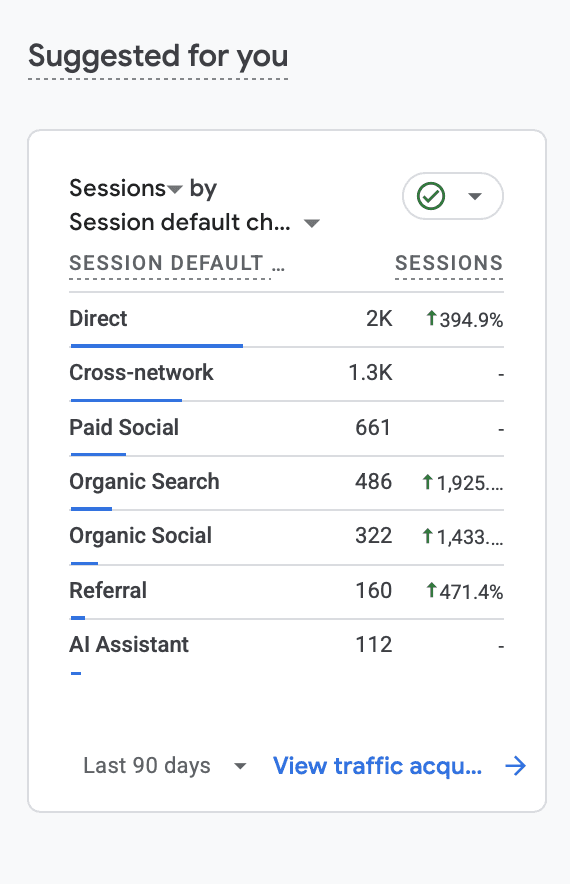
Google Search Console screenshot for a Chicago real estate developer, last 90 days: 480 clicks up 103 percent, 33.1K impressions up 693 percent.
Open the full screenshot ↗
+693%

Google impressions in 90 days, clicks up 103%

Real estate developer, Chicago, six months into SEO. Client under NDA.

33.1K impressions and 480 clicks in the last 90 days, from specific service and project pages rather than the home page.

How to interpret this exampleOwners search for the exact job, like a medical office contractor in a named suburb. Useful service and project pages are one part of the work; this developer SEO example does not isolate a website-design effect.

Source: Google Search Console, last 90 days vs. previous period. Read more

Show real projects, clear services and the team doing the work, so visitors can judge fit before the first call.
Kirill Samarits, Founder and CEO, TERAMOK

These results come from real estate clients, because that is where most of our work is. The Multifamily Radon example above is a Chicago-area redesign preview; no launch or performance result is claimed. Our earlier construction clients are in Greece, including MART Construction and Lydakis Construction. All results: results ledger.

What a contractor website costs

  • Managed contractor websiteFrom $9,000 one time · 12 pages and 12 months of management
  • Custom contractor website$25,000 to $50,000 one time · one year of development
  • Job and crew filmFrom $15,000
  • SEO and AI searchFrom $3,000 a month
  • Google and Meta ads managementFrom $3,500 a month, media paid directly

The scope is fixed before any contract. Ownership and transfer terms follow the selected package and are confirmed in writing.

Questions contractors ask about websites

How much does a contractor website cost?

The managed 12-page website package starts at $9,000 one time and includes 12 months of management. Custom website packages are $25,000 to $50,000 with one year of development. Confirm page types, integrations and production in the written scope.

What pages should a contractor website have?

A home page, one page per service, one page per finished project you can document, a reviews or references page, a careers page, and the license and insurance details on every page. Commercial contractors add a capability statement, a safety page and a prequalification page. The planner on this page builds the list for your trades and area.

Should a contractor have a separate page for every town?

Create an area page when it offers useful, distinct information about a place you actually serve, such as relevant projects and clear service coverage. Avoid near-identical town pages created only to funnel visitors to the same destination. The planner uses a conservative project-based guideline; three documented jobs is not a Google requirement.

What do commercial owners and general contractors look for on a contractor website?

Projects by building type with value range and year, the safety program and EMR, bonding capacity, licenses and insurance, named project leaders, and a capability statement they can send to their team. If those are missing, many owners never call.

How fast should a contractor website load?

Google's Core Web Vitals call a page good when the main content loads within 2.5 seconds, taps respond within 200 milliseconds and layout shift stays at 0.1 or less. Most contractor visitors are on a phone, often on site, so we build to those numbers on a mid-range phone.

Do you use stock photos?

We prioritize your real crews and documented work over generic imagery. Existing approved assets can be used, and our team can produce new photography and film. Confirm production deliverables, rights and fees in the written scope; a shoot should not be assumed to be included in every website package.

Who owns the website?

Custom websites include the site and its source. On the $9,000 tier we manage it for you; full ownership transfer is available at an extra charge.

Do you have contractor clients in the US?

The page includes a redesign preview for Multifamily Radon, a Chicago-area company. It is identified as a preview, with no launch or performance result claimed. The construction production examples shown here are from Greece. We identify the market, service and stage so you can judge how relevant each example is to your project.

Want the page plan for your company?

Send your trades, service area, current website and a few finished jobs. We come back with the page plan, the shoot list and a price from the published rate sheet.

Book a website call