Chicago's 2026 Residential Boom: The Presale Playbook That Separates Sell-Outs from Stalls
Chicago's 2026 Residential Boom: The Presale Playbook That Separates Sell-Outs from Stalls
Chicago's 2026 Residential Boom: The Presale Playbook That Separates Sell-Outs from Stalls
Chicago home prices are up 5%+, inventory is at historic lows. But the gap between developments that sell out and those that sit is widening. Here's the presale playbook I use with every client.
Chicago home prices are up 5%+, inventory is at historic lows. But the gap between developments that sell out and those that sit is widening. Here's the presale playbook I use with every client.
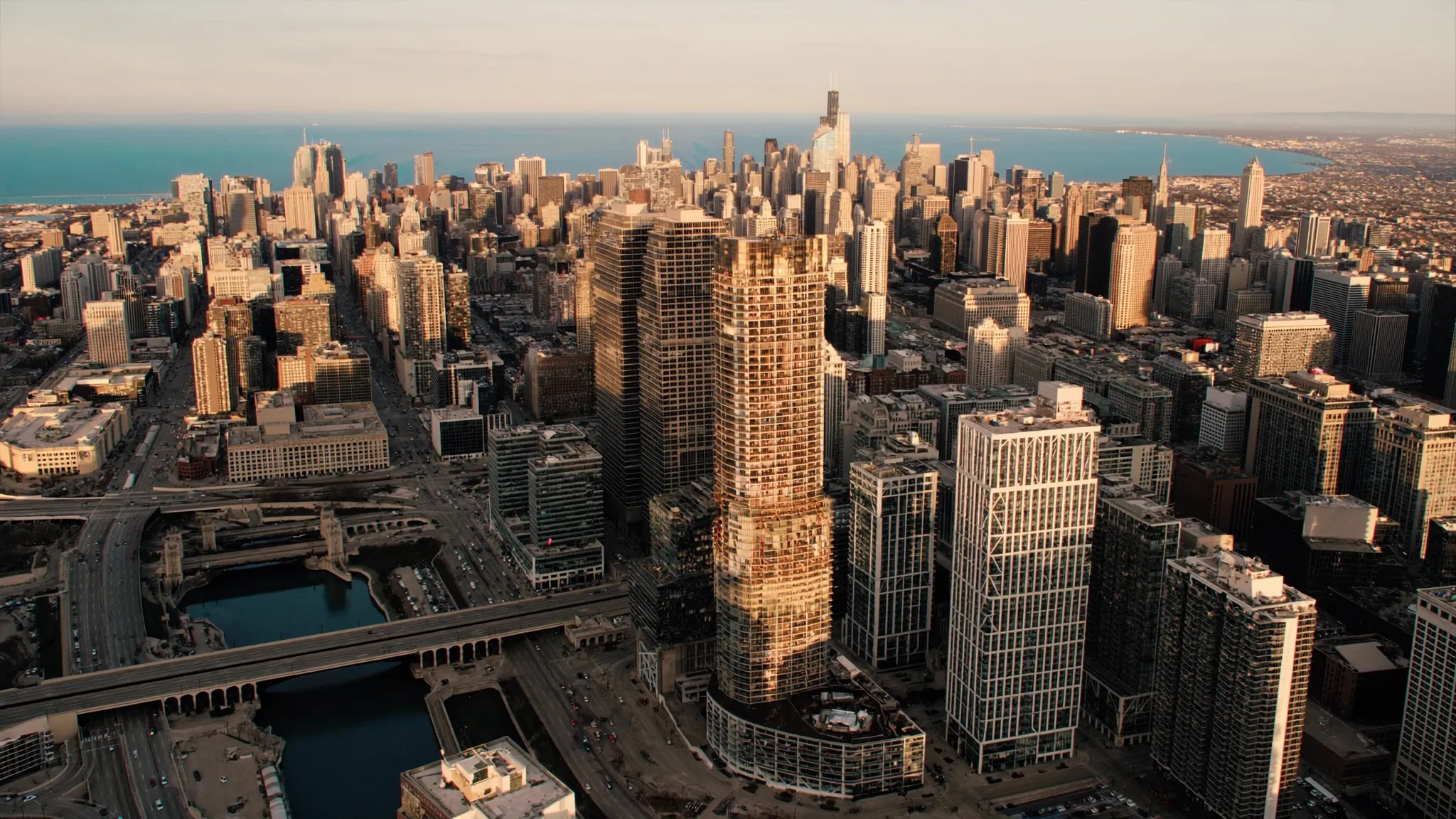
Strong Fundamentals, Uneven Results
The numbers paint a clear picture. Chicago's median home sale price crossed $375,000 in late 2025, up more than 5% year-over-year. Inventory remains at historic lows. Multifamily rent growth hit 4.6% in Q3 2025 and is forecasted to add another 3% in 2026.
For developers, these fundamentals should translate into fast absorption and healthy margins. And for some, they do. But across the metro, from the West Loop to the western suburbs to Northwest Indiana, the gap between developments that sell out before completion and those that sit half-empty at delivery is widening.
The difference isn't location. It isn't unit mix. It isn't even price point.
The difference is when and how marketing starts.
I've seen this pattern across every market I've worked in, from Athens to Chicago. The developers who treat presale marketing as a line item to be minimized are the ones explaining to investors why absorption is behind schedule. The ones who invest early and seriously are the ones returning capital ahead of projections.
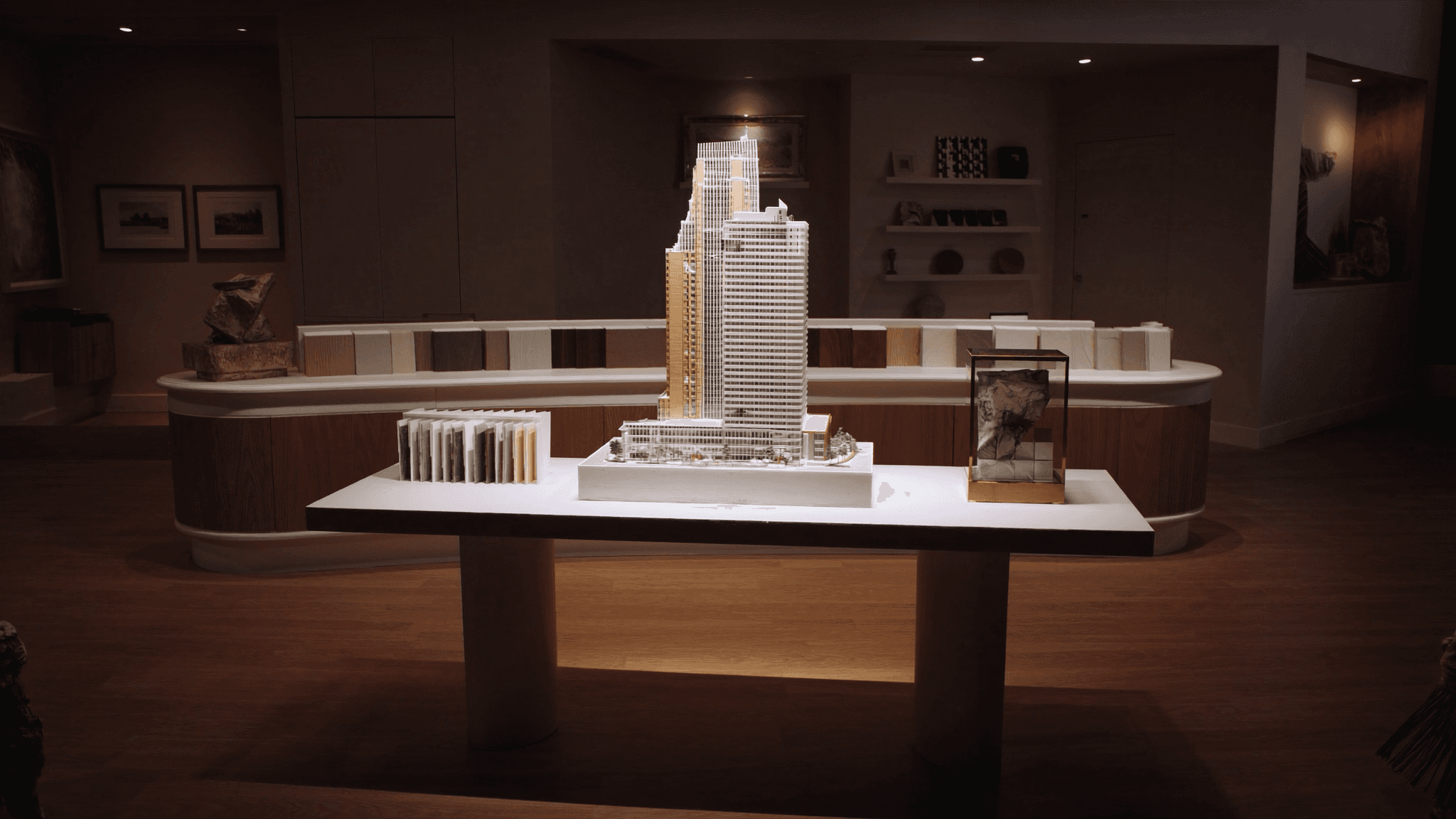
Chicago's Neighborhood-Driven Market
One of the defining characteristics of Chicago's 2026 market is how neighborhood-specific demand has become. This isn't a city where a rising tide lifts all boats. Buyers are making block-by-block decisions based on walkability, transit access, dining density, school districts, and perceived trajectory.
West Town, Bucktown, and Wicker Park continue to see the strongest demand among urban buyers. In the suburbs, municipalities with Metra access and recent commercial investment. Naperville, Hinsdale, Arlington Heights, and Oak Park are outperforming adjacent communities by significant margins.
For developers, this means two things. First, site selection matters more than ever. Second, your marketing has to communicate neighborhood context with the same precision your proforma communicates financial returns. Buyers aren't just purchasing a unit: they're purchasing a location story. And that story needs to be told cinematically, specifically, and early.
The Presale Playbook
Here's the framework I use with every client at TERAMOK. It's built on a simple principle: marketing should start generating demand before construction generates costs.
Phase 1: Brand Development (12-18 months before delivery). Before you break ground, your development needs an identity. A name, a visual language, a presale website, and a cinematic brand film that sells the vision. This is where most developers underinvest. They think marketing starts when there's something to photograph. In reality, the strongest presale campaigns launch when there's nothing to see except a vision, and the video that brings it to life.
Phase 2: Demand Generation (8-12 months before delivery). Once your brand exists, activate it. Targeted paid media campaigns on Google and Meta, SEO-optimized content targeting neighborhood-specific search terms, and a social media strategy built around construction documentation and lifestyle content. The goal is to build a qualified buyer pipeline before you have finished units to show.
Phase 3: Pipeline Conversion (4-8 months before delivery). By this point, your presale website should have generated hundreds of inquiries. Now the focus shifts to conversion: personalized tours (virtual and in-person), investor presentations backed by market data, and retargeting campaigns that keep your development top-of-mind as buyers move through their decision timeline.
Phase 4: Launch and Absorption (delivery and beyond). When units are ready, your marketing should be operating at full capacity. Professional property tours replace construction footage. Buyer testimonials add social proof. And your SEO and GEO strategy ensures your development continues to appear in search results as late-cycle buyers do their research.
The Cost of Starting Late
I had a conversation last month with a developer who started marketing his Lincoln Park project three months before delivery. His units were beautiful. His pricing was competitive. But his absorption rate was half of what his proforma projected. Why? Because buyers who would have been on a waitlist nine months earlier didn't know his development existed. His competitors, who started marketing a year before delivery, had already captured that demand.
Starting presale marketing late doesn't just slow down sales; it increases your cost of capital, delays your next project, and forces price concessions that eat into margins. The cost of starting three months late can exceed the entire marketing budget you saved by waiting.
The Bottom Line
Chicago's 2026 residential market has the fundamentals to be exceptional for developers. But fundamentals alone don't sell units. The developers who build presale marketing into their development timeline, not as an afterthought, but as a core function alongside architecture, construction, and financing, are the ones who will sell out.
If you're planning a residential development in Chicago and haven't started thinking about presale marketing, the best time to start was six months ago. The second best time is now. Let's build your presale strategy.
Frequently Asked Questions
What percentage of a development budget should go to presale marketing?
I typically recommend 1-3% of total project value for a comprehensive presale marketing program. On a $20M development, that's $200K-$600K covering brand development, video production, paid media, SEO, and ongoing content. The return on that investment, measured in faster absorption, fewer price concessions, and earlier capital return, consistently exceeds the cost by multiples.
How early should presale marketing start for a Chicago development?
12-18 months before projected delivery for brand development and website launch. 8-12 months out for active demand generation campaigns. The earlier you start, the larger your qualified buyer pipeline will be at delivery. Developers who start 3-4 months before delivery are already behind their competitors.
Does TERAMOK work with developers on presale-specific campaigns?
Presale marketing is our core offering. Everything we do, from cinema-grade video production to content strategy to paid media, is designed to generate qualified buyers before a building is complete. Check our client portfolio or book a call to discuss your next project.
What makes Chicago's presale market different from other cities?
Chicago's extreme neighborhood specificity. Unlike markets where "downtown" or "suburbs" are sufficient positioning, Chicago buyers make decisions at the neighborhood and even block level. Your presale marketing needs to tell a neighborhood story, not just a building story. That requires local market knowledge, neighborhood-specific SEO, and lifestyle content that resonates with the specific buyer profile for your location.
About the author
Written by Kirill Samarits, Founder and CEO of TERAMOK, a real estate marketing and production agency serving developers, architecture firms, and construction brands across Chicago, Miami, and the United States. TERAMOK publishes its pricing, documents outcomes in named case studies, and runs a full in-house cinema production team. This guide reflects how the Chicago and Miami markets work in 2026, drawn from live client campaigns rather than generic playbooks. For a project-specific read on your market, book a strategy call.
Strong Fundamentals, Uneven Results
The numbers paint a clear picture. Chicago's median home sale price crossed $375,000 in late 2025, up more than 5% year-over-year. Inventory remains at historic lows. Multifamily rent growth hit 4.6% in Q3 2025 and is forecasted to add another 3% in 2026.
For developers, these fundamentals should translate into fast absorption and healthy margins. And for some, they do. But across the metro, from the West Loop to the western suburbs to Northwest Indiana, the gap between developments that sell out before completion and those that sit half-empty at delivery is widening.
The difference isn't location. It isn't unit mix. It isn't even price point.
The difference is when and how marketing starts.
I've seen this pattern across every market I've worked in, from Athens to Chicago. The developers who treat presale marketing as a line item to be minimized are the ones explaining to investors why absorption is behind schedule. The ones who invest early and seriously are the ones returning capital ahead of projections.
Chicago's Neighborhood-Driven Market
One of the defining characteristics of Chicago's 2026 market is how neighborhood-specific demand has become. This isn't a city where a rising tide lifts all boats. Buyers are making block-by-block decisions based on walkability, transit access, dining density, school districts, and perceived trajectory.
West Town, Bucktown, and Wicker Park continue to see the strongest demand among urban buyers. In the suburbs, municipalities with Metra access and recent commercial investment. Naperville, Hinsdale, Arlington Heights, and Oak Park are outperforming adjacent communities by significant margins.
For developers, this means two things. First, site selection matters more than ever. Second, your marketing has to communicate neighborhood context with the same precision your proforma communicates financial returns. Buyers aren't just purchasing a unit: they're purchasing a location story. And that story needs to be told cinematically, specifically, and early.
The Presale Playbook
Here's the framework I use with every client at TERAMOK. It's built on a simple principle: marketing should start generating demand before construction generates costs.
Phase 1: Brand Development (12-18 months before delivery). Before you break ground, your development needs an identity. A name, a visual language, a presale website, and a cinematic brand film that sells the vision. This is where most developers underinvest. They think marketing starts when there's something to photograph. In reality, the strongest presale campaigns launch when there's nothing to see except a vision, and the video that brings it to life.
Phase 2: Demand Generation (8-12 months before delivery). Once your brand exists, activate it. Targeted paid media campaigns on Google and Meta, SEO-optimized content targeting neighborhood-specific search terms, and a social media strategy built around construction documentation and lifestyle content. The goal is to build a qualified buyer pipeline before you have finished units to show.
Phase 3: Pipeline Conversion (4-8 months before delivery). By this point, your presale website should have generated hundreds of inquiries. Now the focus shifts to conversion: personalized tours (virtual and in-person), investor presentations backed by market data, and retargeting campaigns that keep your development top-of-mind as buyers move through their decision timeline.
Phase 4: Launch and Absorption (delivery and beyond). When units are ready, your marketing should be operating at full capacity. Professional property tours replace construction footage. Buyer testimonials add social proof. And your SEO and GEO strategy ensures your development continues to appear in search results as late-cycle buyers do their research.
The Cost of Starting Late
I had a conversation last month with a developer who started marketing his Lincoln Park project three months before delivery. His units were beautiful. His pricing was competitive. But his absorption rate was half of what his proforma projected. Why? Because buyers who would have been on a waitlist nine months earlier didn't know his development existed. His competitors, who started marketing a year before delivery, had already captured that demand.
Starting presale marketing late doesn't just slow down sales; it increases your cost of capital, delays your next project, and forces price concessions that eat into margins. The cost of starting three months late can exceed the entire marketing budget you saved by waiting.
The Bottom Line
Chicago's 2026 residential market has the fundamentals to be exceptional for developers. But fundamentals alone don't sell units. The developers who build presale marketing into their development timeline, not as an afterthought, but as a core function alongside architecture, construction, and financing, are the ones who will sell out.
If you're planning a residential development in Chicago and haven't started thinking about presale marketing, the best time to start was six months ago. The second best time is now. Let's build your presale strategy.
Frequently Asked Questions
What percentage of a development budget should go to presale marketing?
I typically recommend 1-3% of total project value for a comprehensive presale marketing program. On a $20M development, that's $200K-$600K covering brand development, video production, paid media, SEO, and ongoing content. The return on that investment, measured in faster absorption, fewer price concessions, and earlier capital return, consistently exceeds the cost by multiples.
How early should presale marketing start for a Chicago development?
12-18 months before projected delivery for brand development and website launch. 8-12 months out for active demand generation campaigns. The earlier you start, the larger your qualified buyer pipeline will be at delivery. Developers who start 3-4 months before delivery are already behind their competitors.
Does TERAMOK work with developers on presale-specific campaigns?
Presale marketing is our core offering. Everything we do, from cinema-grade video production to content strategy to paid media, is designed to generate qualified buyers before a building is complete. Check our client portfolio or book a call to discuss your next project.
What makes Chicago's presale market different from other cities?
Chicago's extreme neighborhood specificity. Unlike markets where "downtown" or "suburbs" are sufficient positioning, Chicago buyers make decisions at the neighborhood and even block level. Your presale marketing needs to tell a neighborhood story, not just a building story. That requires local market knowledge, neighborhood-specific SEO, and lifestyle content that resonates with the specific buyer profile for your location.
About the author
Written by Kirill Samarits, Founder and CEO of TERAMOK, a real estate marketing and production agency serving developers, architecture firms, and construction brands across Chicago, Miami, and the United States. TERAMOK publishes its pricing, documents outcomes in named case studies, and runs a full in-house cinema production team. This guide reflects how the Chicago and Miami markets work in 2026, drawn from live client campaigns rather than generic playbooks. For a project-specific read on your market, book a strategy call.
Editorial standards
Written by TERAMOK’s strategy team from direct work with real estate developers, architecture firms, construction companies, and operators. Claims are tied to published project evidence or identified as general guidance.

Get started
Chicago's in-house production and marketing team for real estate.
Book a free 30-minute strategy call. Tell us about your project, your firm, or your launch — and we'll show you exactly how TERAMOK plugs into your operation with cinema-grade production, campaign strategy, and senior creative.
Get started
Chicago's in-house production and marketing team for real estate.
Book a free 30-minute strategy call. Tell us about your project, your firm, or your launch — and we'll show you exactly how TERAMOK plugs into your operation with cinema-grade production, campaign strategy, and senior creative.
Get started
Chicago's in-house production and marketing team for real estate.
Book a free 30-minute strategy call. Tell us about your project, your firm, or your launch — and we'll show you exactly how TERAMOK plugs into your operation with cinema-grade production, campaign strategy, and senior creative.