Video-First Marketing Is No Longer Optional for Real Estate Developers in 2026
Video-First Marketing Is No Longer Optional for Real Estate Developers in 2026
Video-First Marketing Is No Longer Optional for Real Estate Developers in 2026
Video listings generate 403% more inquiries. But in 2026, having any video isn't enough, AI-generated content has raised the floor. Here's what actually differentiates now.
Video listings generate 403% more inquiries. But in 2026, having any video isn't enough, AI-generated content has raised the floor. Here's what actually differentiates now.

The Numbers Are Clear. And the Stakes Have Changed
Video real estate listings generate 403% more inquiries than listings without video. That number has been circulating for years, but in 2026 it carries different weight. The gap between developers who use video and those who don't is no longer a competitive advantage: it's a survival threshold.
Here's why: every developer now has access to AI-generated renderings, drone footage packages, and template-based listing videos. The floor has risen. What used to differentiate, having any video at all, now barely registers. The new differentiator is production quality, storytelling, and emotional resonance.
I've been saying this to developers since I started TERAMOK: if you're selling units before completion, you're not selling a product someone can walk through. You're selling a vision. And the quality of that vision is directly proportional to the quality of your video.
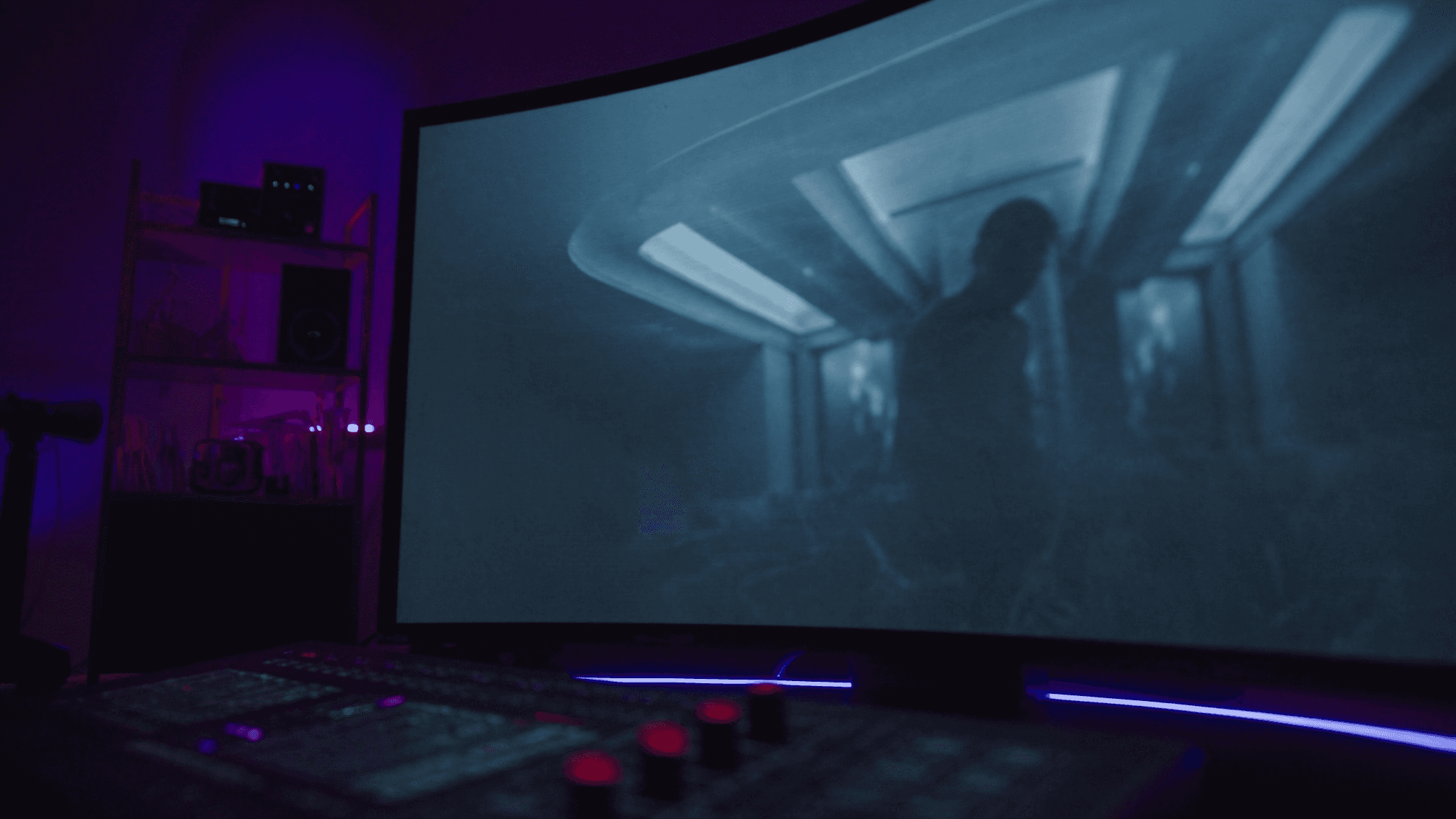
Why AI-Generated Content Isn't Closing the Gap
Every major real estate marketing report in 2026 leads with AI. And for good reason: AI tools are transforming content planning, ad copy, social scheduling, and performance analysis. I use AI tools myself every day.
But there's a critical distinction the industry keeps blurring: AI is exceptional at distribution and optimization. It is not exceptional at creation: specifically, the kind of creation that makes a buyer emotionally commit to a $400K purchase before a building exists.
AI can generate a rendering of your building in afternoon light. It cannot capture the way morning sun hits the lake from the 12th floor of your actual site. AI can write caption copy for Instagram. It cannot produce a 90-second brand film that makes a buyer from Lincoln Park feel what it would be like to raise their family in your Crown Point development.
The developers who understand this distinction are the ones pulling ahead. They use AI for what it's good at, optimization and scale, and invest in human-driven cinema production for what AI can't touch: emotional storytelling.
What a Video-First Strategy Actually Looks Like
"Video-first" doesn't mean "make a video and hope for the best." It means video is the foundation of your entire marketing strategy, not an afterthought added to an existing plan.
Here's what that means in practice:
Your presale website leads with video, not renderings. The hero of your presale site should be a cinematic piece that sells the lifestyle, not a static rendering. Renderings belong on the floor plans page. Video belongs everywhere else.
Every production shoot yields a content ecosystem. At TERAMOK, we never shoot for a single deliverable. A brand film shoot simultaneously produces 8-12 short-form social clips, behind-the-scenes content, still photography, and raw footage for future campaigns. One day of production feeds your content strategy for weeks.
Construction documentation starts on day one. The moment construction begins, you should be filming. Monthly time-lapses, drone progress updates, and crew spotlights build a content library that serves both presale marketing and post-completion marketing. Most developers start filming when the building is finished. By then, you've missed 12+ months of content opportunities.
Video informs your paid media creative. The best-performing real estate ads on Google, Meta, and YouTube are video-based. Static image ads still work for certain placements, but video consistently delivers higher engagement, lower cost-per-lead, and stronger buyer quality. Your advertising strategy should be built around your video assets, not the other way around.
The Production Quality Threshold
Here's the uncomfortable truth: a badly produced video is worse than no video. In a market flooded with AI-generated content, buyers can instantly tell the difference between authentic cinema production and template-based video. And they make judgments about the quality of your development based on the quality of your marketing.
I've seen this firsthand with developers who tried to save money with $500 freelance shoots. The videos looked "fine", but they didn't generate leads. When we replaced them with properly produced content: shot on RED cameras with professional lighting and sound design, the same developments saw immediate improvements in inquiry volume and buyer quality.
The production quality threshold in 2026 is higher than it's ever been. Meeting it isn't optional for developers who want to sell out before completion.
The Bottom Line
Video-first marketing isn't a trend: it's the new standard for real estate development. The developers who invest in cinema-quality production will continue to build presale waitlists and command premium pricing. The ones who treat video as an afterthought will struggle with slow absorption and price concessions.
If your current video content isn't generating the results you need, the issue isn't your project: it's how the story is being told. Let's talk about building a video-first strategy for your next development.
Frequently Asked Questions
What's the minimum video investment for a real estate development?
For a single development, I'd recommend a minimum of $15,000-$30,000 for a comprehensive video package: one brand film, a set of property tours, and a library of short-form social content. The ROI math is straightforward: one additional presale attributable to video pays for the entire investment multiple times over.
How does video-first marketing work for pre-construction projects?
This is actually where video-first has the most impact. Since buyers can't visit the finished product, video is how you sell the vision. Combine cinematic brand films with construction documentation, neighborhood lifestyle content, and developer interviews to create a comprehensive visual story that converts buyers before a single unit is complete.
Can existing developments benefit from a video-first approach?
Absolutely. Even post-completion developments see significant improvements from professional video. Property tours, resident testimonials, amenity showcases, and neighborhood content can reignite interest and accelerate sales for developments that have plateaued. Check our portfolio for examples of both pre-construction and completed project campaigns.
About the author
Written by Kirill Samarits, Founder and CEO of TERAMOK, a real estate marketing and production agency serving developers, architecture firms, and construction brands across Chicago, Miami, and the United States. TERAMOK publishes its pricing, documents outcomes in named case studies, and runs a full in-house cinema production team. This guide reflects how the Chicago and Miami markets work in 2026, drawn from live client campaigns rather than generic playbooks. For a project-specific read on your market, book a strategy call.
The Numbers Are Clear. And the Stakes Have Changed
Video real estate listings generate 403% more inquiries than listings without video. That number has been circulating for years, but in 2026 it carries different weight. The gap between developers who use video and those who don't is no longer a competitive advantage: it's a survival threshold.
Here's why: every developer now has access to AI-generated renderings, drone footage packages, and template-based listing videos. The floor has risen. What used to differentiate, having any video at all, now barely registers. The new differentiator is production quality, storytelling, and emotional resonance.
I've been saying this to developers since I started TERAMOK: if you're selling units before completion, you're not selling a product someone can walk through. You're selling a vision. And the quality of that vision is directly proportional to the quality of your video.
Why AI-Generated Content Isn't Closing the Gap
Every major real estate marketing report in 2026 leads with AI. And for good reason: AI tools are transforming content planning, ad copy, social scheduling, and performance analysis. I use AI tools myself every day.
But there's a critical distinction the industry keeps blurring: AI is exceptional at distribution and optimization. It is not exceptional at creation: specifically, the kind of creation that makes a buyer emotionally commit to a $400K purchase before a building exists.
AI can generate a rendering of your building in afternoon light. It cannot capture the way morning sun hits the lake from the 12th floor of your actual site. AI can write caption copy for Instagram. It cannot produce a 90-second brand film that makes a buyer from Lincoln Park feel what it would be like to raise their family in your Crown Point development.
The developers who understand this distinction are the ones pulling ahead. They use AI for what it's good at, optimization and scale, and invest in human-driven cinema production for what AI can't touch: emotional storytelling.
What a Video-First Strategy Actually Looks Like
"Video-first" doesn't mean "make a video and hope for the best." It means video is the foundation of your entire marketing strategy, not an afterthought added to an existing plan.
Here's what that means in practice:
Your presale website leads with video, not renderings. The hero of your presale site should be a cinematic piece that sells the lifestyle, not a static rendering. Renderings belong on the floor plans page. Video belongs everywhere else.
Every production shoot yields a content ecosystem. At TERAMOK, we never shoot for a single deliverable. A brand film shoot simultaneously produces 8-12 short-form social clips, behind-the-scenes content, still photography, and raw footage for future campaigns. One day of production feeds your content strategy for weeks.
Construction documentation starts on day one. The moment construction begins, you should be filming. Monthly time-lapses, drone progress updates, and crew spotlights build a content library that serves both presale marketing and post-completion marketing. Most developers start filming when the building is finished. By then, you've missed 12+ months of content opportunities.
Video informs your paid media creative. The best-performing real estate ads on Google, Meta, and YouTube are video-based. Static image ads still work for certain placements, but video consistently delivers higher engagement, lower cost-per-lead, and stronger buyer quality. Your advertising strategy should be built around your video assets, not the other way around.
The Production Quality Threshold
Here's the uncomfortable truth: a badly produced video is worse than no video. In a market flooded with AI-generated content, buyers can instantly tell the difference between authentic cinema production and template-based video. And they make judgments about the quality of your development based on the quality of your marketing.
I've seen this firsthand with developers who tried to save money with $500 freelance shoots. The videos looked "fine", but they didn't generate leads. When we replaced them with properly produced content: shot on RED cameras with professional lighting and sound design, the same developments saw immediate improvements in inquiry volume and buyer quality.
The production quality threshold in 2026 is higher than it's ever been. Meeting it isn't optional for developers who want to sell out before completion.
The Bottom Line
Video-first marketing isn't a trend: it's the new standard for real estate development. The developers who invest in cinema-quality production will continue to build presale waitlists and command premium pricing. The ones who treat video as an afterthought will struggle with slow absorption and price concessions.
If your current video content isn't generating the results you need, the issue isn't your project: it's how the story is being told. Let's talk about building a video-first strategy for your next development.
Frequently Asked Questions
What's the minimum video investment for a real estate development?
For a single development, I'd recommend a minimum of $15,000-$30,000 for a comprehensive video package: one brand film, a set of property tours, and a library of short-form social content. The ROI math is straightforward: one additional presale attributable to video pays for the entire investment multiple times over.
How does video-first marketing work for pre-construction projects?
This is actually where video-first has the most impact. Since buyers can't visit the finished product, video is how you sell the vision. Combine cinematic brand films with construction documentation, neighborhood lifestyle content, and developer interviews to create a comprehensive visual story that converts buyers before a single unit is complete.
Can existing developments benefit from a video-first approach?
Absolutely. Even post-completion developments see significant improvements from professional video. Property tours, resident testimonials, amenity showcases, and neighborhood content can reignite interest and accelerate sales for developments that have plateaued. Check our portfolio for examples of both pre-construction and completed project campaigns.
About the author
Written by Kirill Samarits, Founder and CEO of TERAMOK, a real estate marketing and production agency serving developers, architecture firms, and construction brands across Chicago, Miami, and the United States. TERAMOK publishes its pricing, documents outcomes in named case studies, and runs a full in-house cinema production team. This guide reflects how the Chicago and Miami markets work in 2026, drawn from live client campaigns rather than generic playbooks. For a project-specific read on your market, book a strategy call.
Editorial standards
Written by TERAMOK’s strategy team from direct work with real estate developers, architecture firms, construction companies, and operators. Claims are tied to published project evidence or identified as general guidance.

Get started
Chicago's in-house production and marketing team for real estate.
Book a free 30-minute strategy call. Tell us about your project, your firm, or your launch — and we'll show you exactly how TERAMOK plugs into your operation with cinema-grade production, campaign strategy, and senior creative.
Get started
Chicago's in-house production and marketing team for real estate.
Book a free 30-minute strategy call. Tell us about your project, your firm, or your launch — and we'll show you exactly how TERAMOK plugs into your operation with cinema-grade production, campaign strategy, and senior creative.
Get started
Chicago's in-house production and marketing team for real estate.
Book a free 30-minute strategy call. Tell us about your project, your firm, or your launch — and we'll show you exactly how TERAMOK plugs into your operation with cinema-grade production, campaign strategy, and senior creative.