

Chicago is not a theoretical market.
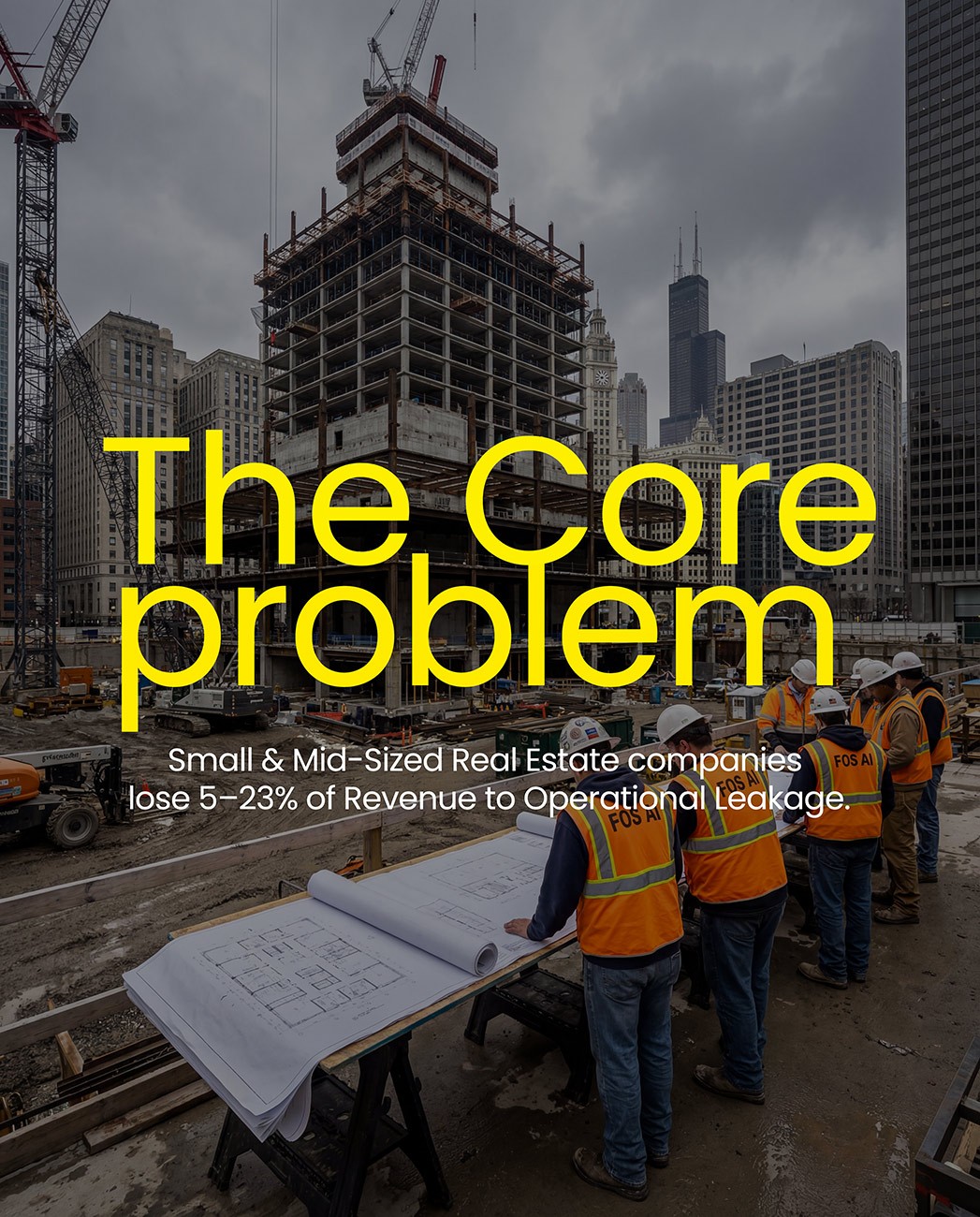
It is one of the most operationally demanding real estate environments in the United States. Between zoning complexity, union labor structures, capital pressure, mixed-use developments, adaptive reuse projects, and investor reporting, this city forces companies to be disciplined.
Over the last two years, I’ve seen a clear shift. Chicago business owners are no longer asking “what is AI?”
They are asking very specific questions:
• how can AI reduce construction delays
• what is the best AI tool for real estate developers
• how can AI improve property valuations
• can AI help forecast development risk
• how do I automate real estate operations
These are not curiosity searches. They are operational pain points. Let’s break this down realistically. AI in real estate is not about writing listing descriptions
That is entry-level use.
The real transformation is happening inside operations.
In Chicago, development projects involve layers of coordination between architects, structural engineers, subcontractors, city departments, lenders, equity partners, and brokers. Every project produces thousands of documents.
AI is now being used to:
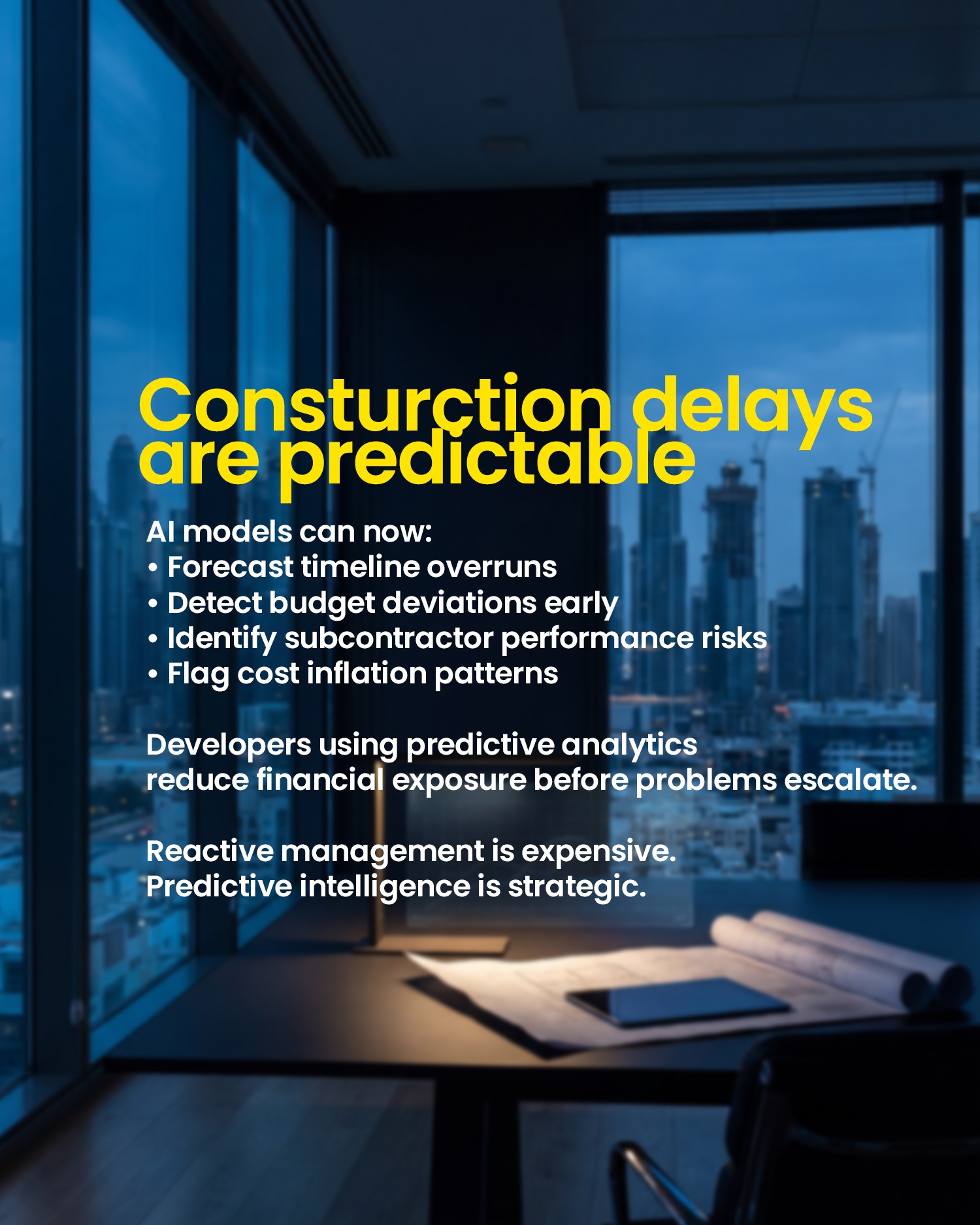
• analyze historical project data to predict timeline overruns
• detect cost deviations before they become budget disasters
• compare contractor performance across multiple projects
• centralize communication data across email and project management systems
• model risk exposure before capital deployment
When a developer searches “AI for construction project management,” what they really want is fewer surprises.
Predictability is competitive advantage. Construction firms are under pressure. Labor costs are rising. Material pricing is volatile. Insurance costs are not decreasing. Compliance is heavier than ever.
AI systems are increasingly being deployed to:
• forecast procurement bottlenecks
• flag invoice inconsistencies
• track subcontractor output efficiency
• generate structured executive dashboards
This does not replace human expertise.
It reduces blind spots. In a city like Chicago, where one delayed project can impact millions in capital flow, blind spots are expensive.
Property valuation and predictive analytics
Another common search trend is “AI property valuation Chicago.”
Traditional comp-based analysis is reactive. AI models evaluate broader data sets:
• migration trends
• rental absorption patterns
• infrastructure investment
• economic signals
• neighborhood micro-dynamics
For investors and developers, predictive analytics becomes strategic positioning rather than guesswork. This matters especially in emerging submarkets where timing determines profitability. What Chicago executives are actually concerned about From conversations I’ve had, the real concerns are not technical.
They are strategic:
• how do we integrate AI without disrupting operations
• how secure is our data
• will AI create measurable ROI
• is this hype or infrastructure
The companies that approach AI as infrastructure, not as software experimentation, are the ones seeing measurable results.
AI must connect to real workflows.
If it does not integrate with project management, documentation systems, financial tracking, and executive reporting, it becomes noise.
The next five years in Chicago real estate
The separation is already beginning.
There will be two categories of companies:
firms operating on legacy systems, reacting to problems
firms operating with predictive intelligence embedded in daily workflows
AI will not replace developers, contractors, or brokers.
It will replace inefficiency.
In a competitive city like Chicago, efficiency compounds.
Faster decision cycles.
Cleaner reporting to investors.
Reduced operational stress.
Better capital allocation.
That becomes growth.
Final thought
Artificial intelligence in real estate is no longer a Silicon Valley discussion. It is a Chicago boardroom discussion. The question is not whether AI will influence the industry.
It already is.
The question is who integrates it deeply enough to build a structural advantage.
by
Kirill Samarits
/
Read more